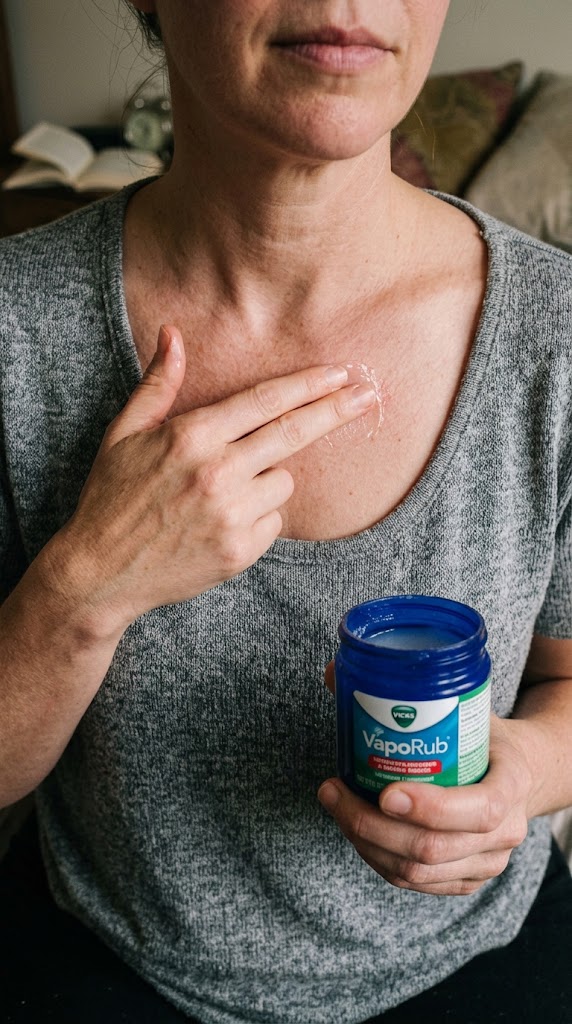
Breath by Design: Evidence-Based Breathing Techniques and Comfort Strategies for Living with COPD Managing Chronic Obstructive Pulmonary Disease (COPD) requires a proactive, daily approach to lung health. While COPD presents daily challenges to airflow, targeted breathing exercises, posture adjustments, and daily comfort rituals can significantly improve oxygen exchange, reduce breathlessness, and restore a sense of control. Understanding the Mechanics: Why Breathing Exercises Matter In healthy lungs, airways and air sacs spring back to their original shape after exhalation. With COPD, airways lose elasticity and can collapse slightly during exhalation, trapping stale air in the lungs. This leaves less room for fresh, oxygen-rich air on the next breath, leading to shallow breathing and fatigue. Specialized breathing techniques work by creating gentle backpressure in the airways, keeping them open longer so trapped air can fully escape. Core Breathing Exercises for Respiratory Support 1. Pursed-Lip Breathing Pursed-lip breathing slows the breathing pace and keeps airways open during exhalation, releasing trapped air from the lungs. Relax your neck and shoulder muscles. Inhale slowly through your nose for a count of 2 with your mouth closed. Purse your lips as if blowing out a candle or whistling. Exhale gently and slowly through your pursed lips for a count of 4. Guideline: The exhale should always last roughly twice as long as the inhale. Never force the air out. 2. Diaphragmatic (Belly) Breathing Diaphragmatic breathing helps retrain the primary breathing muscle—the diaphragm—reducing reliance on accessory neck and chest muscles that fatigue quickly. Lie flat on your back or sit supported in a comfortable chair. Place one hand flat on your upper chest and the other on your belly just below your rib cage. Inhale deeply through your nose, focusing on allowing your belly to push outward against your hand while keeping your chest still. Tighten your stomach muscles and exhale slowly through pursed lips, feeling your belly move inward. Practice for 5 to 10 minutes, 3 to 4 times a day. 3. The “Huff” Cough Technique Traditional coughing can cause narrow airways to spasm or close prematurely. The huff cough is a gentler, more effective way to clear mucus without straining the chest. Sit upright in a comfortable chair. Take a breath slightly deeper than normal through your nose. Use your stomach muscles to blow the air out in three rapid, short breaths while whispering the sound “huff, huff, huff” (like breathing onto a mirror to steam it up). Rest, take a slow breath, and repeat if necessary. Practical Daily Routines for Breathing Ease Alongside targeted exercises, small environmental and physical adjustments help maintain daily comfort: Adopt Recovery Postures: When feeling short of breath, lean forward slightly while resting your forearms on your knees or on a table. This position mechanically frees up the diaphragm, making inhalation easier. Incorporate Soothing Aromas: Gentle, topical chest rubs containing camphor or menthol provide a cooling sensory sensation that many people find calming when paired with resting and slow, deliberate breathing. Maintain Optimal Air Humidity: Dry indoor air can irritate sensitive airways. Using a cool-mist humidifier helps keep mucosal linings comfortable, especially during colder months. Stay Well-Hydrated: Drinking sufficient water thins respiratory mucus, making it significantly easier to clear through gentle coughing. When to Consult Your Doctor Breathing exercises and home comfort habits are complementary strategies designed to work alongside your prescribed medical treatment plan, not replace it. Contact your healthcare provider if you notice: Increased shortness of breath that does not settle with rest or rescue medication Changes in the color, volume, or consistency of mucus Unusual swelling in your ankles, feet, or legs Sudden feelings of dizziness, confusion, or extreme fatigue Medical Disclaimer: This content is for informational and educational purposes only and does not substitute for professional medical advice, diagnosis, or treatment. Always consult your physician or a qualified pulmonary specialist before beginning any new breathing exercise program or changing your COPD management plan.